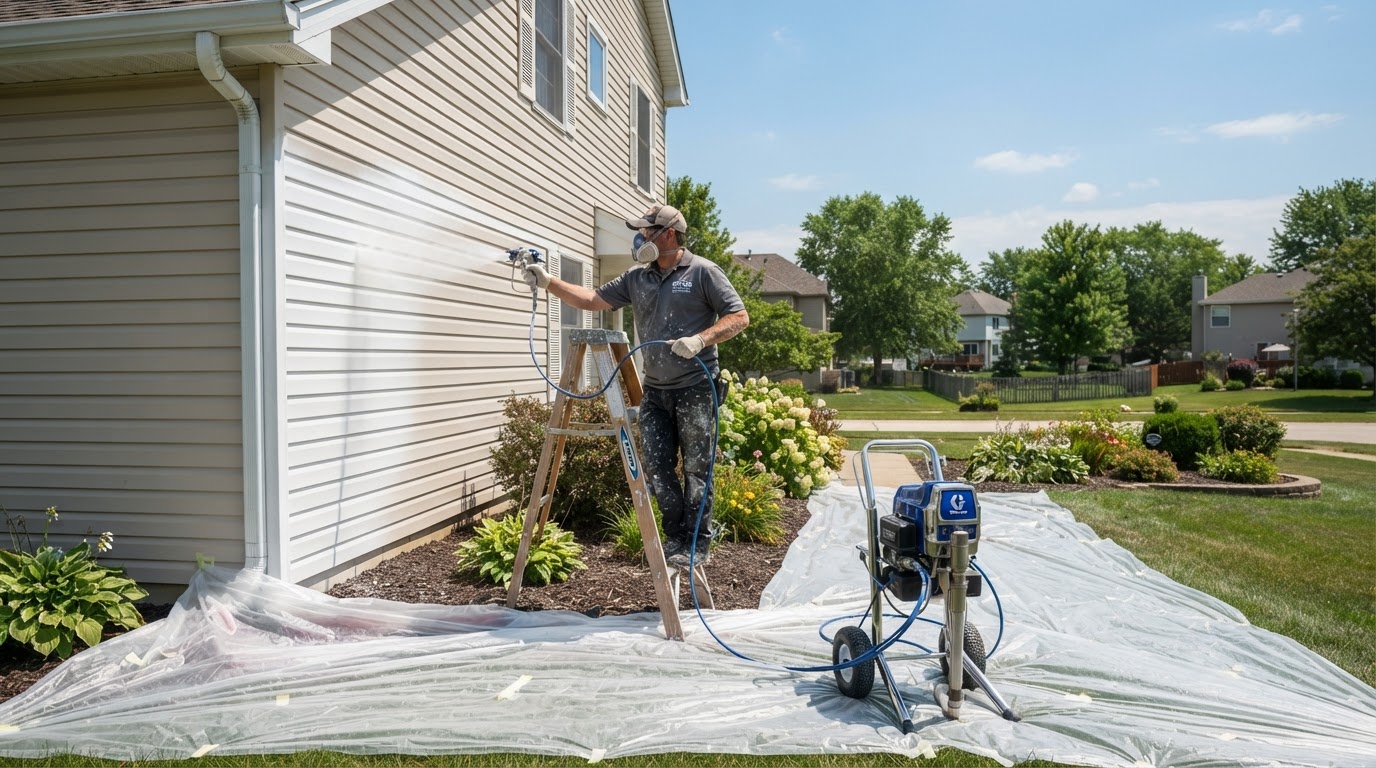

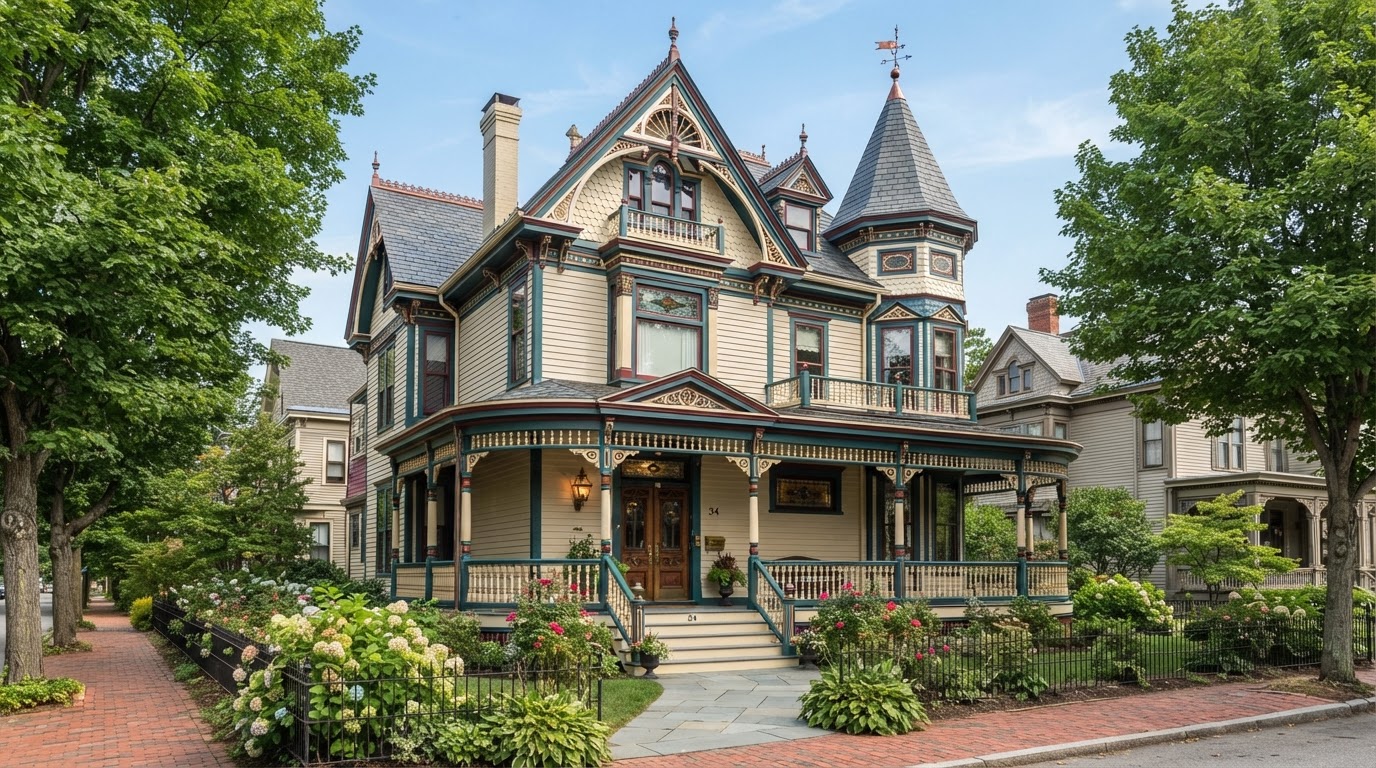
Historic homes require period-appropriate materials, careful prep, and often approvals. Learn how specialists approach restoration finishes.
Why Historic Exteriors Need Specialists
Historic homes often combine original woodwork, delicate moldings, and materials that require gentle, knowledgeable handling. Aggressive preparation that is fine on modern siding can irreversibly damage historic fabric.
Restoration painters are trained to preserve as much original material as possible and to use products compatible with the era and construction of the home.
Preparation and Lead Safety
Homes built before 1978 are likely to have lead-based paint. Federal law requires certified renovators to follow lead-safe work practices, including containment and cleanup, to protect occupants and workers.
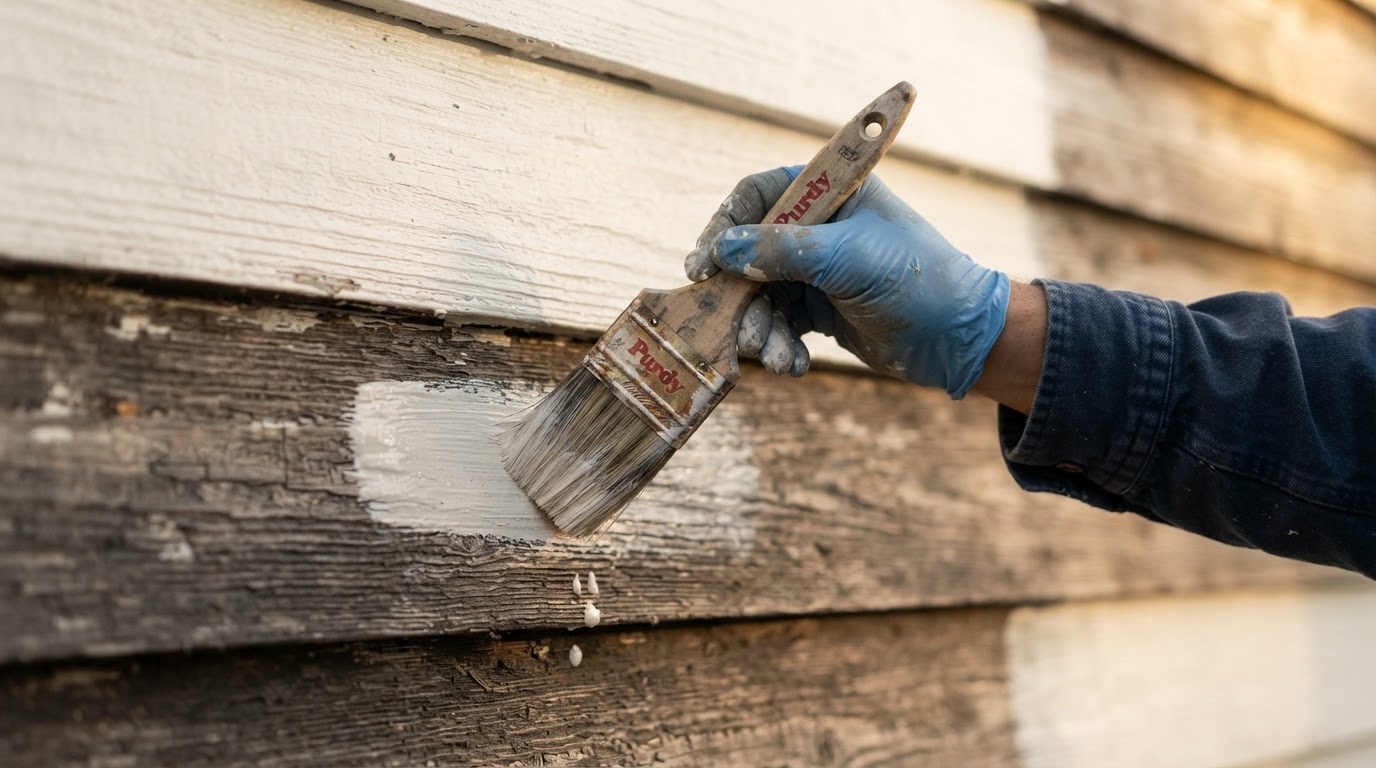
Gentle scraping, chemical removal, and heat methods—used carefully—remove failed paint while protecting the substrate. Damaged trim is repaired or replicated to match existing profiles rather than replaced with modern stock.
Period-Appropriate Coatings
Modern acrylic paints can be appropriate, but historic homes also suit mineral paints, limewashes, and oil-based systems that match the original appearance and breathability. Limewash, for example, gives an authentic soft, mottled finish on masonry and ages gracefully.
The coating must be breathable so that moisture in old walls can escape, preventing the trapped-moisture damage that sealed modern coatings can cause on old masonry.
Regulatory and Preservation Approval
Homes in historic districts or subject to preservation easements may require approval before any exterior change, including paint color. A specialist painter can guide you through documentation and the approval process.
Search our directory for painting companies with historic restoration experience.