
A great exterior color stands up to fading and to changing trends. Here is how color consultants balance architecture, exposure, and long-term appeal.
Start With the Fixed Elements
The roof, brick, stone, and any permanent hardscaping set constraints on color choice. A color scheme should harmonize with these unchanging elements rather than fight them. Pulling a siding color from undertones in the brick or roof ties the exterior together.
Ignoring fixed elements is a common reason a new color looks 'off' even when the paint itself is attractive.
Consider Exposure and Light
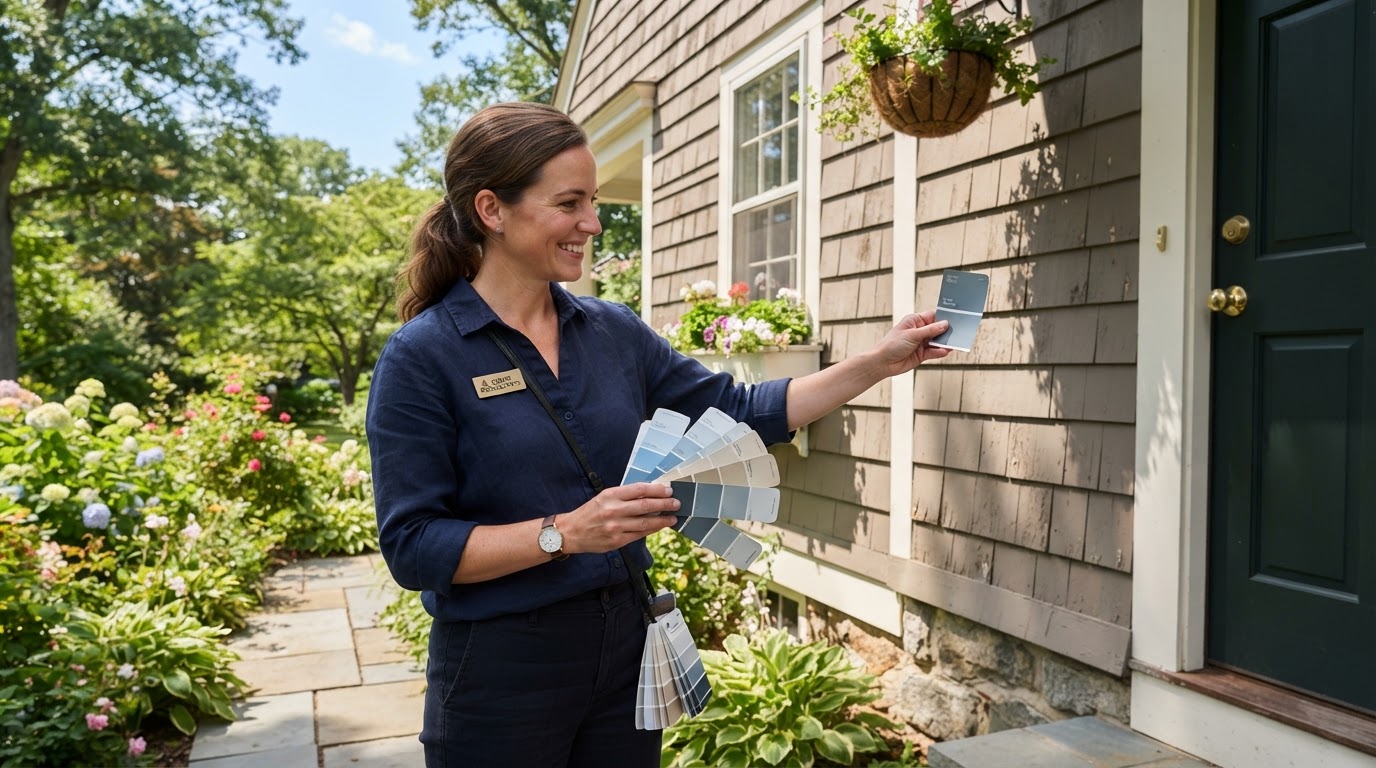
A home's orientation changes how colors read. North-facing facades stay in shadow, where deep colors can look muddy; south-facing walls in full sun wash out light tints. Sampling colors on the actual wall at different times of day reveals these effects.
Surrounding trees and reflected light from driveways and neighboring homes also shift perceived color, which is why consultants always test in place.
Trends vs. Timelessness
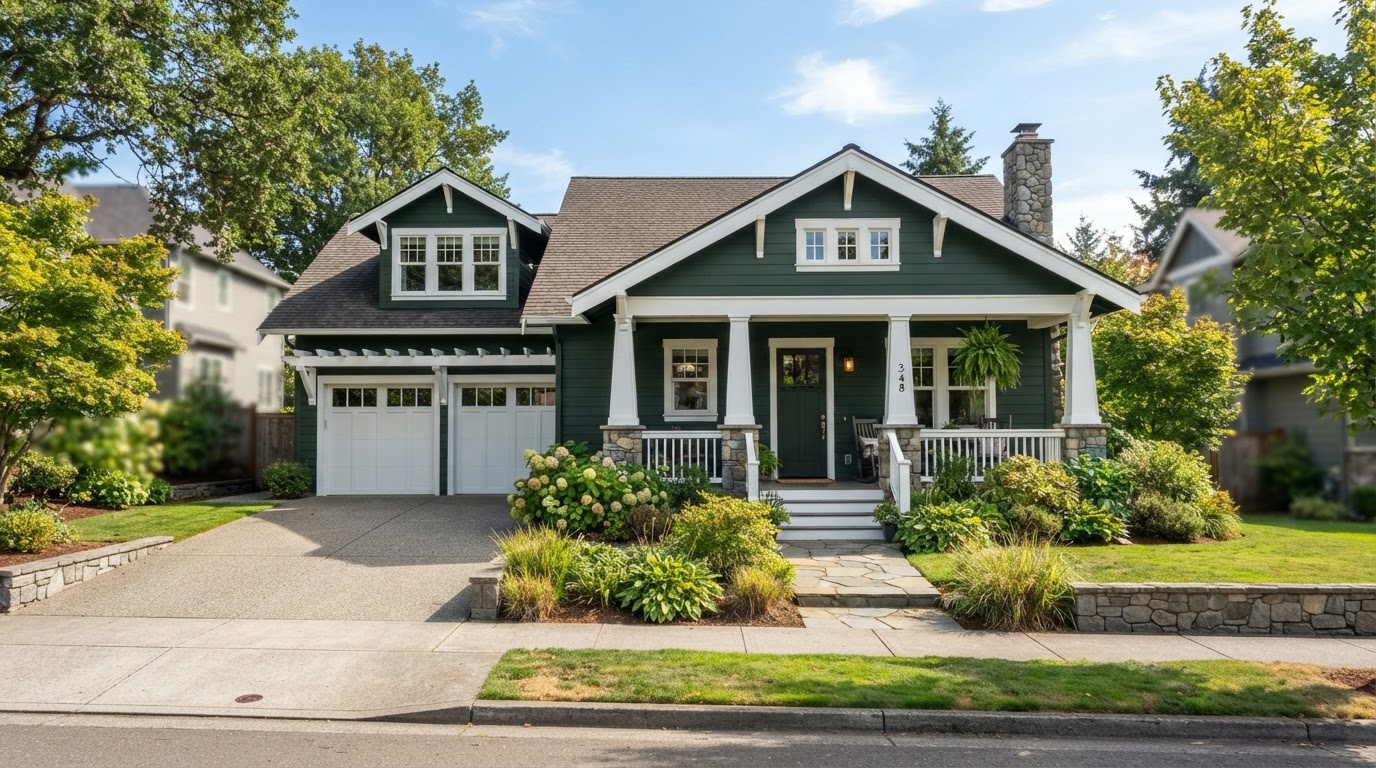
Trend colors age quickly and can make a home look dated within a few years. Neutral body colors with a bolder accent on the door or shutters provide longevity with room to refresh the accent as tastes change.
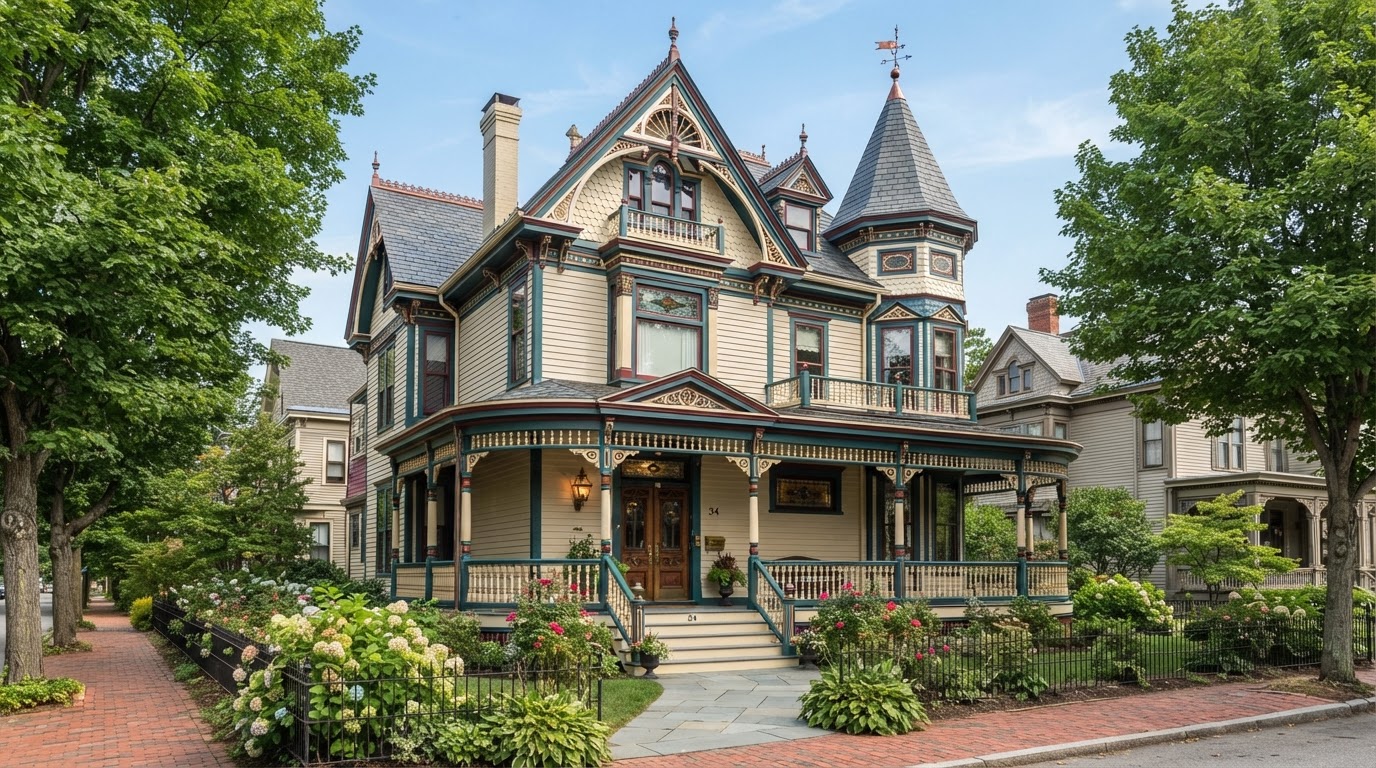
A three-color scheme—body, trim, and accent—is a reliable structure. More than three colors can look busy on all but the most detailed architecture.
Fade Resistance in Product Selection
Even the best color fades. Darker, more saturated colors fade faster in strong sun, while earth tones and muted shades hold their color longer. Premium acrylic paints with UV-resistant pigments extend the life of any color.
Browse our directory for painting companies that offer exterior color consultation as part of their service.