
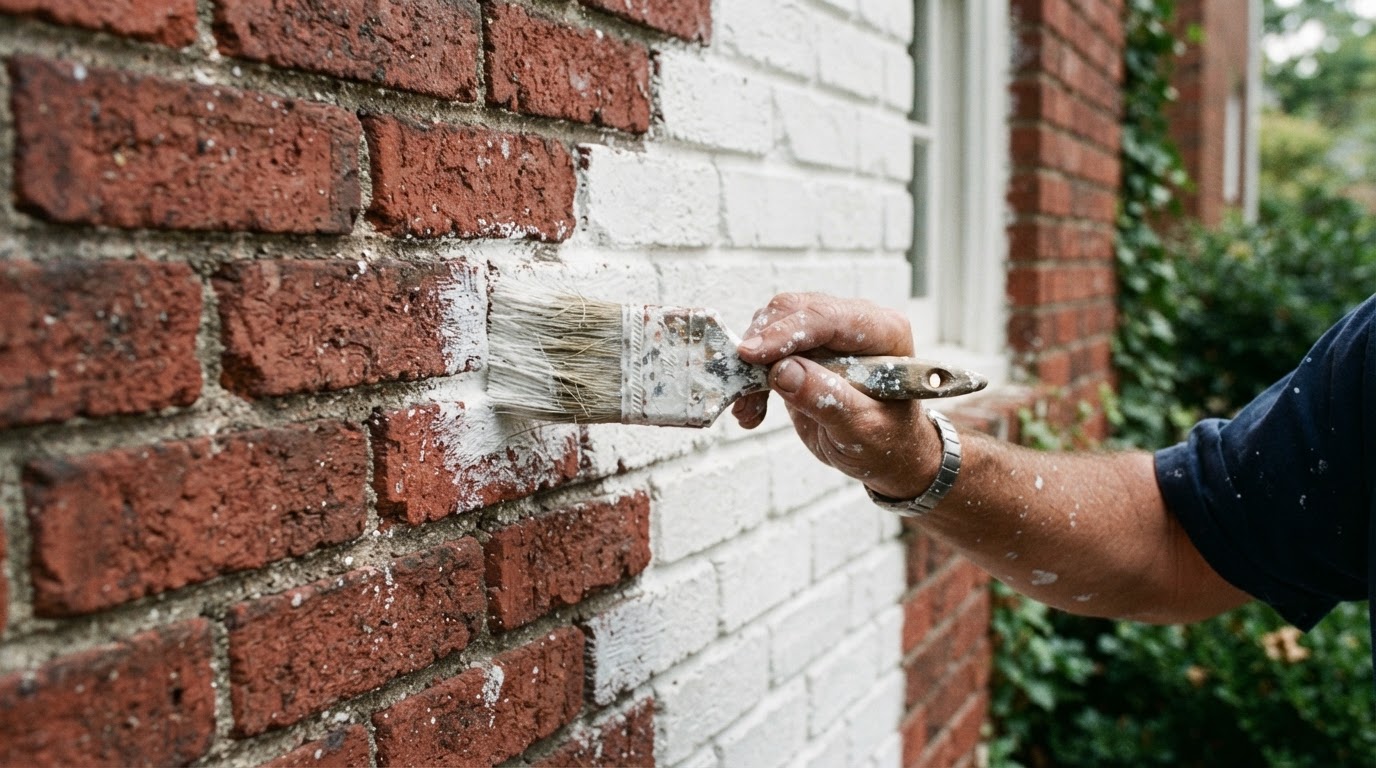
Painted brick is a striking update, but it is largely permanent. Understand the process, the products, and the maintenance commitment before you commit.
The Commitment Behind Painted Brick
Painting brick changes its character permanently. Once painted, brick requires ongoing repainting and is difficult to restore to its original state. Because of this, the decision should weigh long-term maintenance alongside curb appeal.
Limewashing or mineral paints offer a more breathable alternative that can age gracefully or be partially removed later, which some homeowners prefer over conventional paint.
Surface Preparation
Brick must be clean and dry before coating. Painters remove efflorescence—white mineral deposits—with appropriate cleaning, repair mortar joints if needed, and allow the wall to dry fully. Painting over damp brick traps moisture and causes failure.
A primer designed for masonry ensures adhesion to the hard, sometimes glazed brick surface. Skipping primer on brick is a common cause of peeling within a few years.
Breathable Coatings Are Essential
Brick stores and releases moisture. A non-breathable coating traps that moisture, leading to spalling—where the brick face pops off as water freezes and expands. Use breathable acrylic masonry paint or mineral-based coatings to allow vapor transmission.
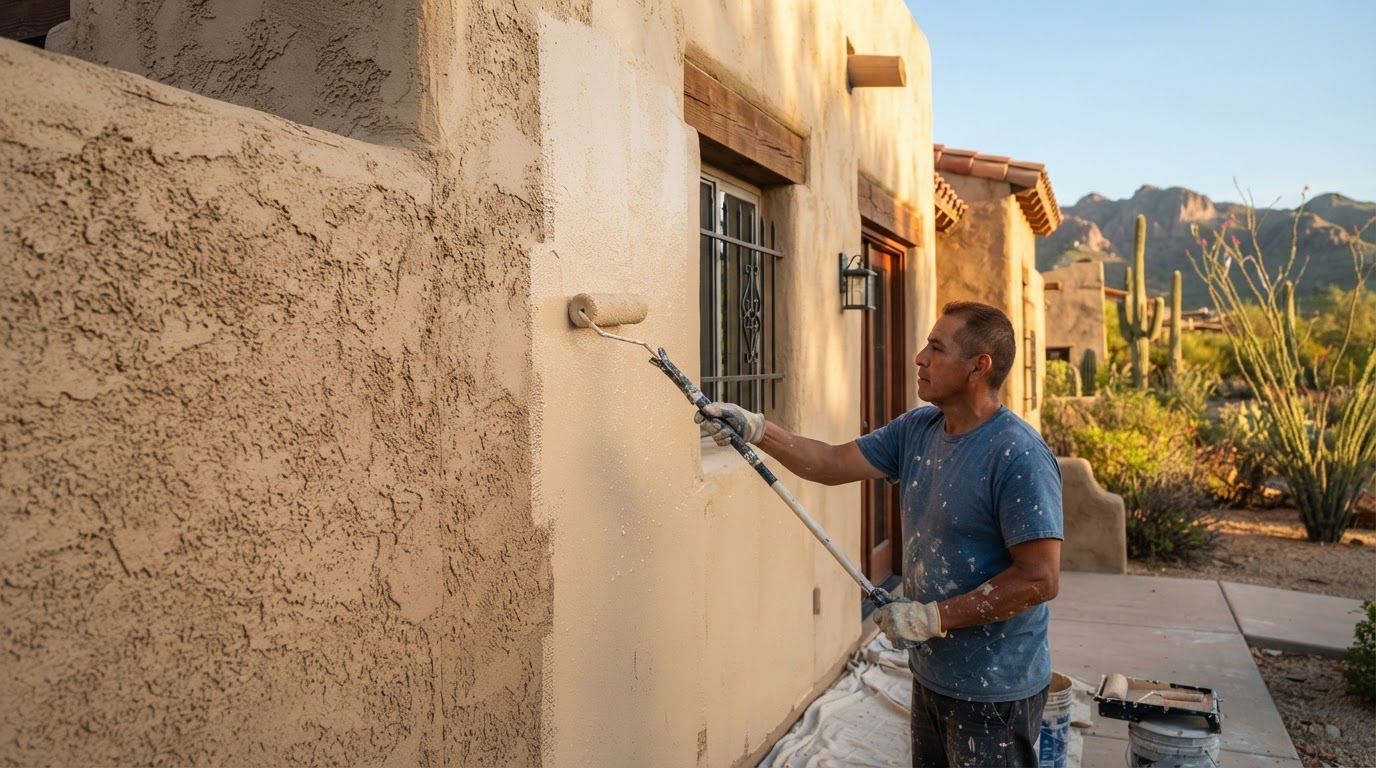
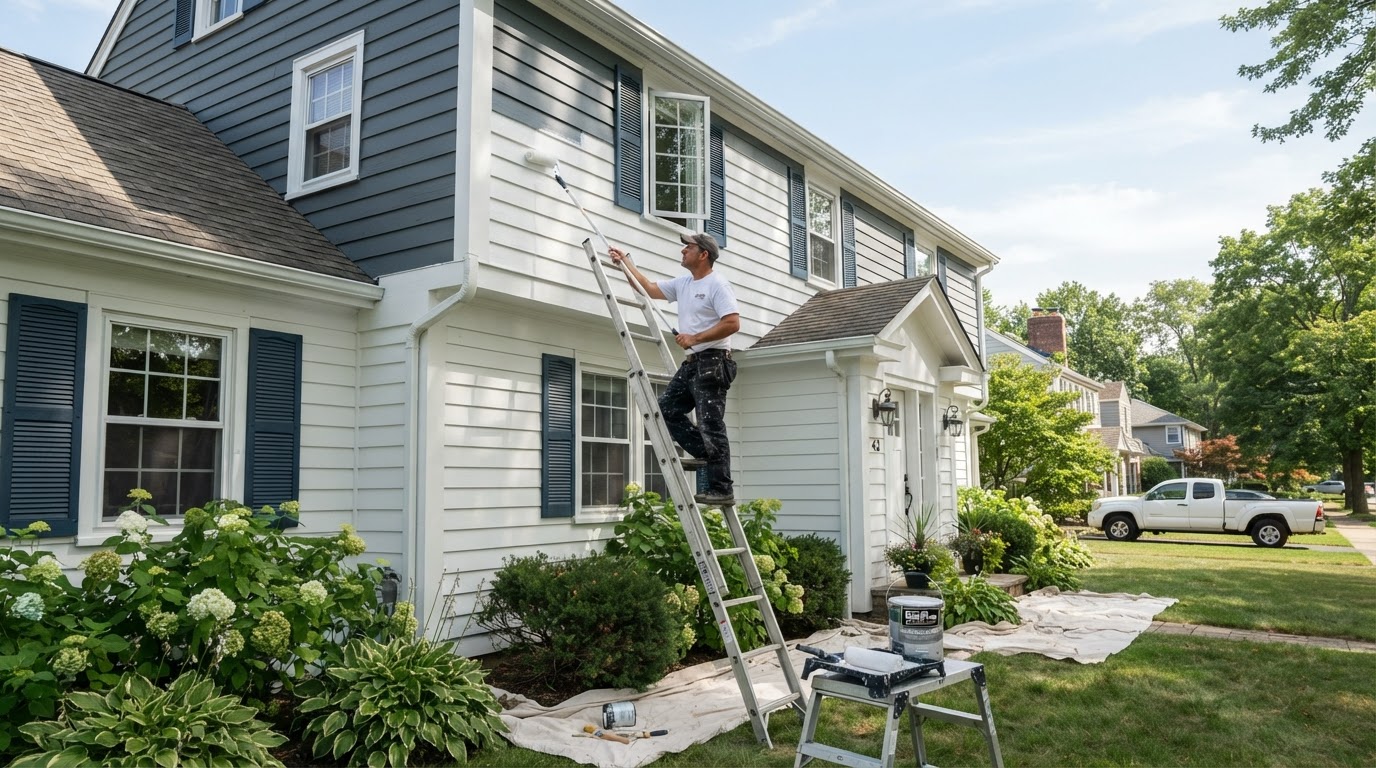
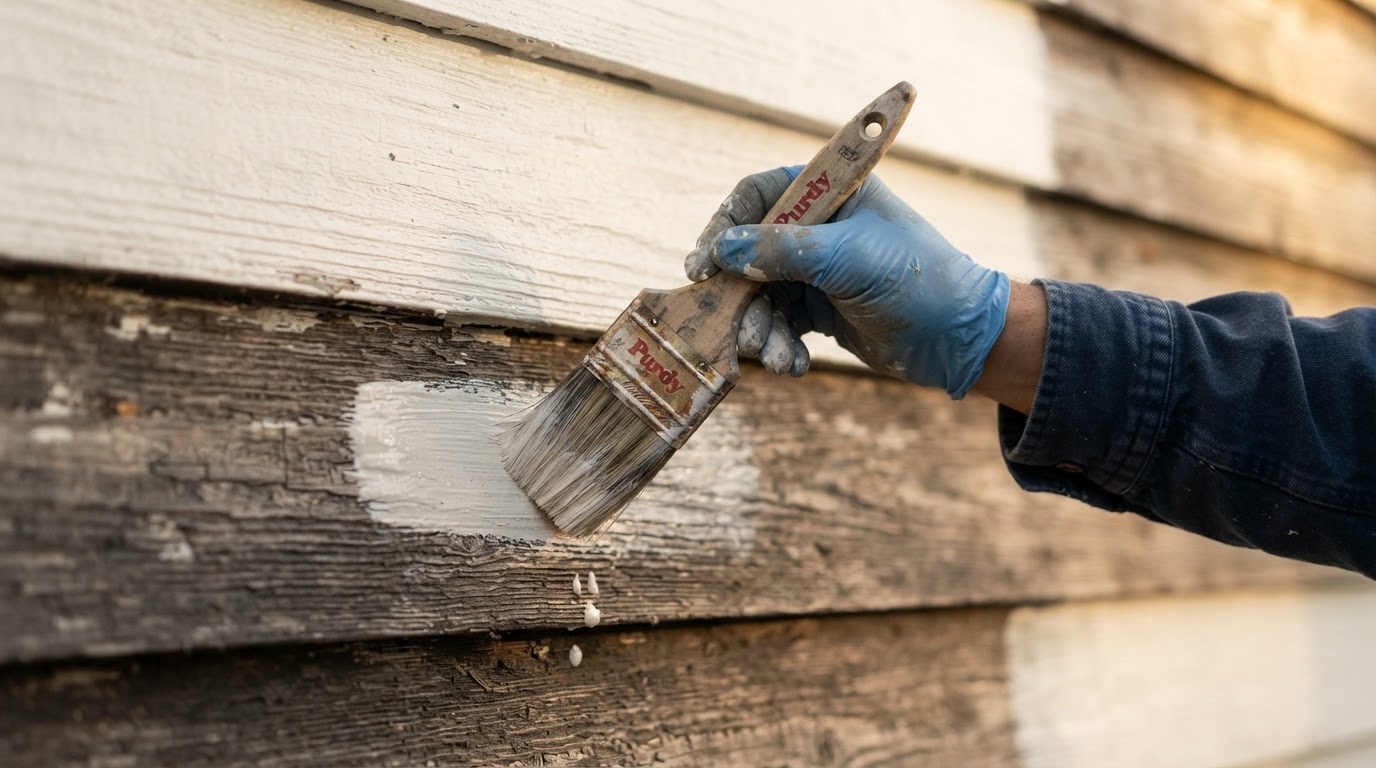
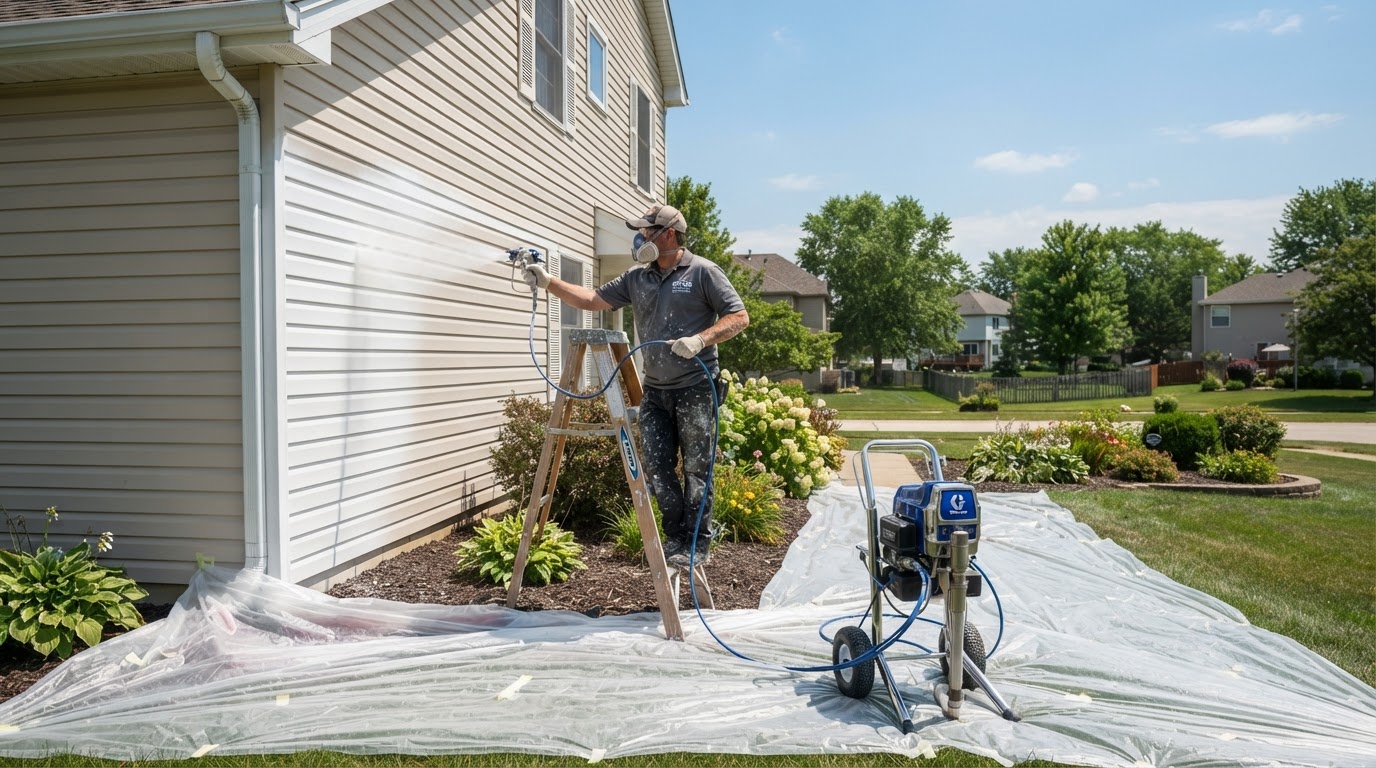
Application is usually by brush and roller to work paint into the mortar joints, or by spray with back-rolling. Two coats produce an even, durable finish.
Ongoing Care
Expect to repaint painted brick every five to seven years depending on exposure. Annual inspections catch mildew and localized failures early. Find painters in our directory who specialize in masonry and brick coatings.