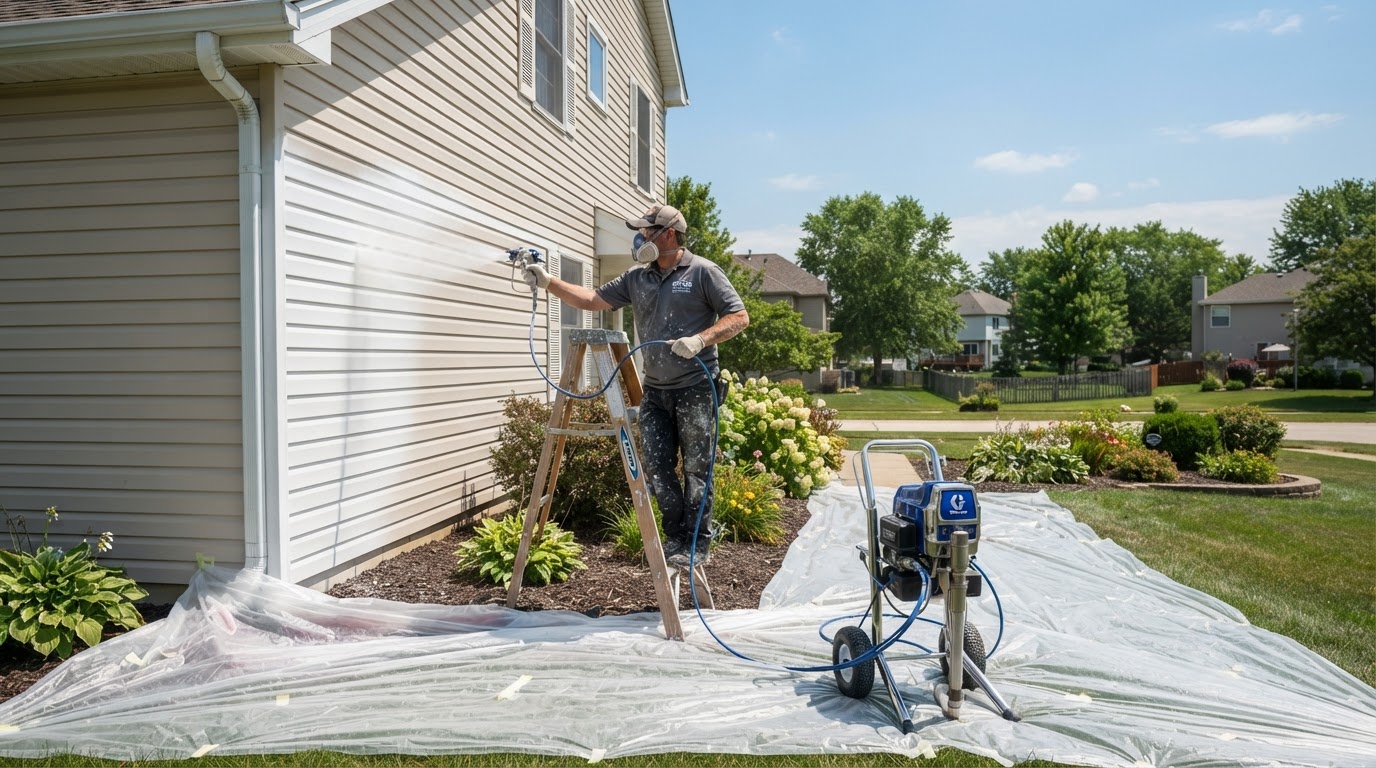

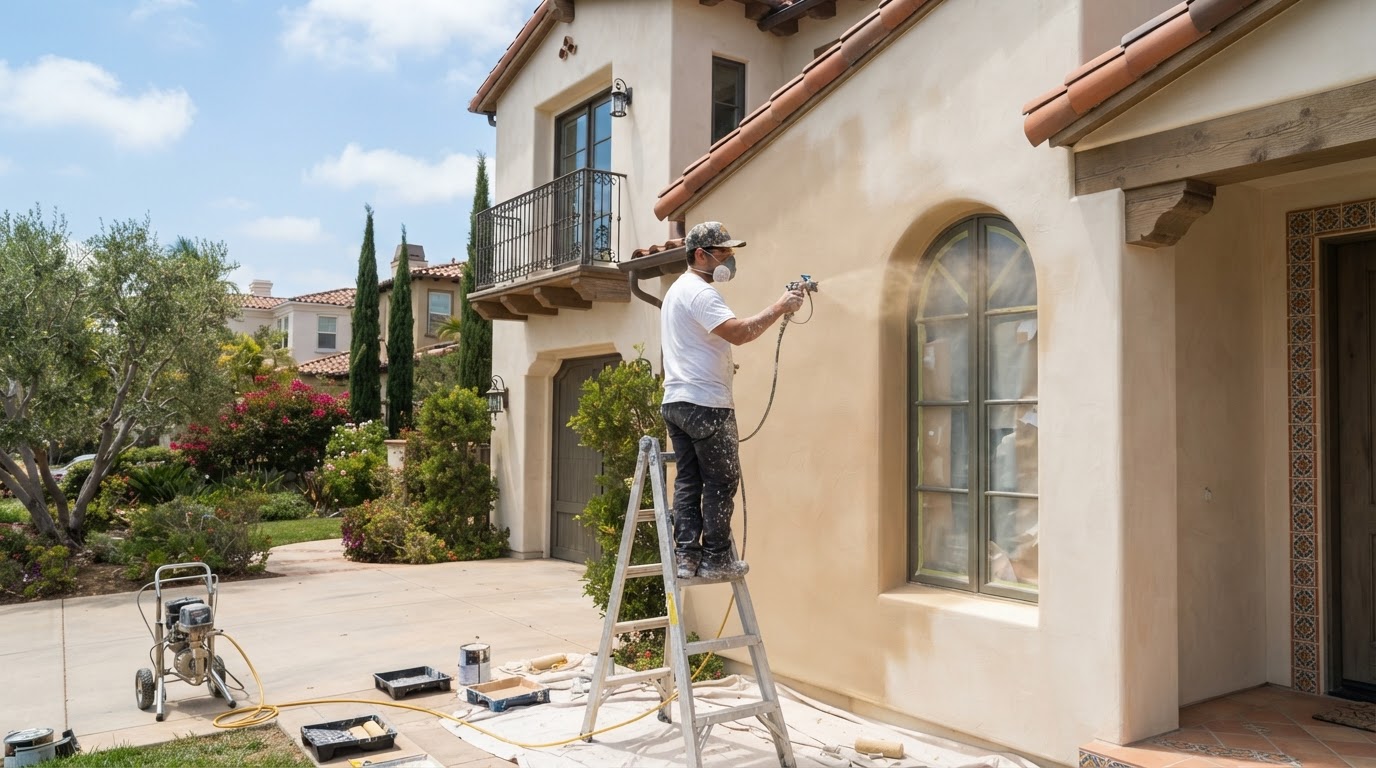
Exterior house painting cost varies with size, condition, products, and labor. Learn the factors that drive pricing so you can compare estimates fairly.
Size, Height, and Complexity
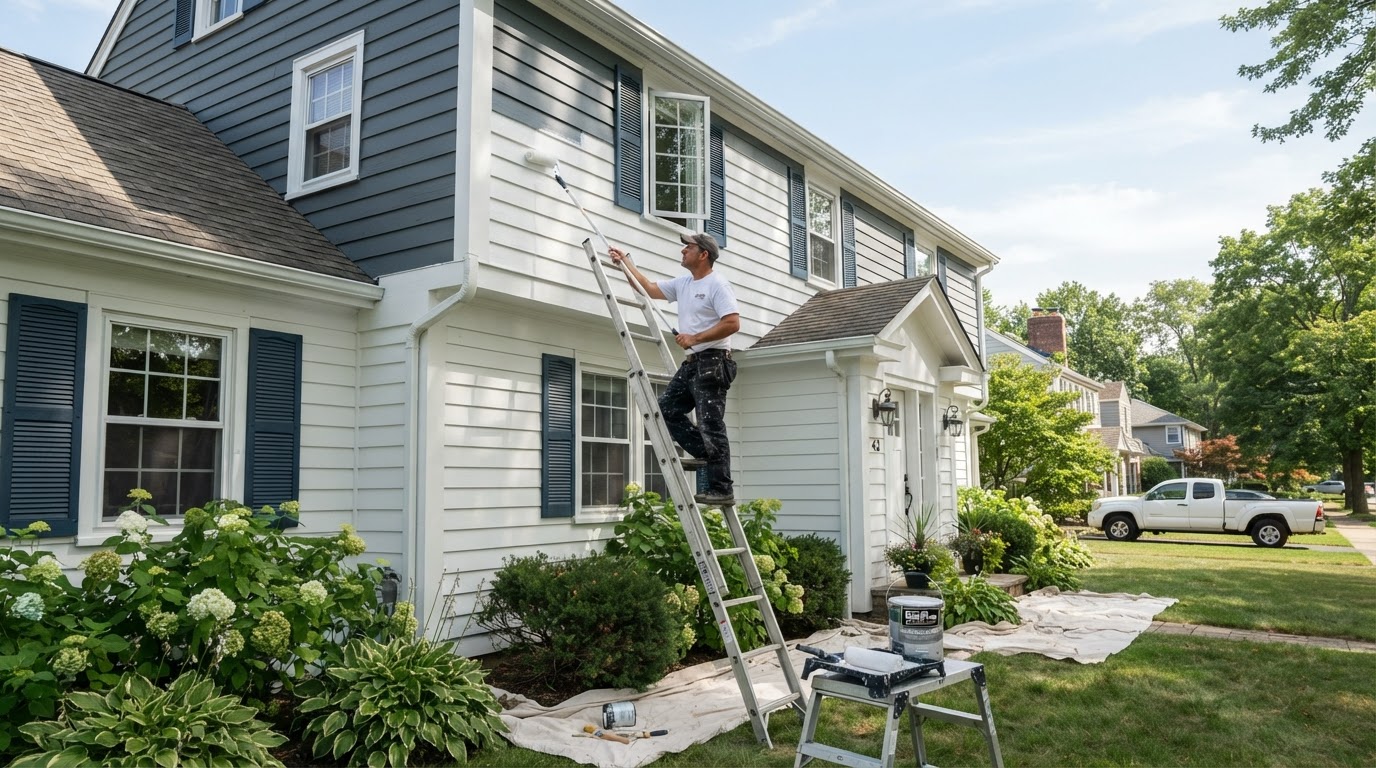
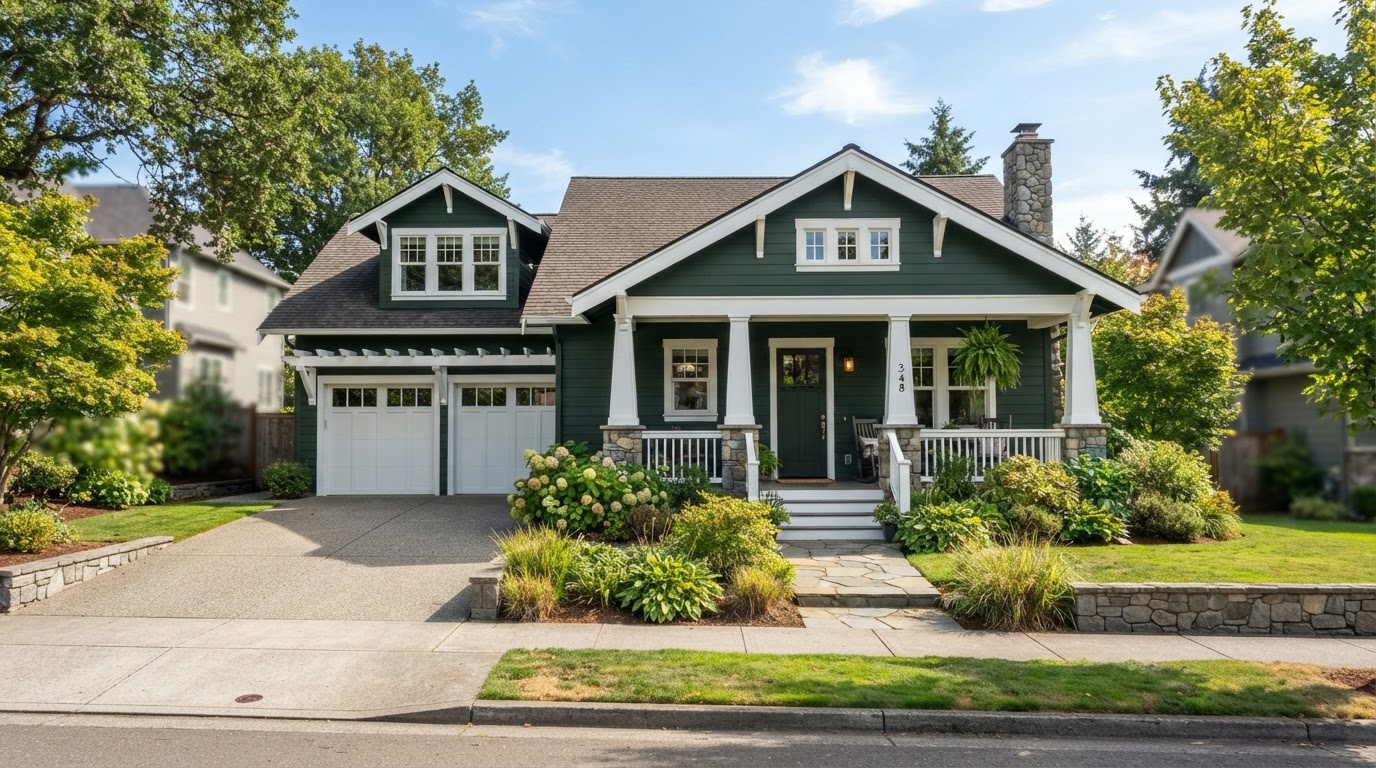
The largest driver of exterior house painting cost is the square footage of paintable surface, which is not the same as interior floor area. Taller homes require ladders or scaffolding, and detailed trim, dormers, and multiple gables add labor. A simple single-story home costs less per square foot than a two-story home with ornate millwork.
Ask each estimator how they measured the surface area so you can compare quotes on a consistent basis rather than against unrelated numbers.
Condition of the Existing Coating
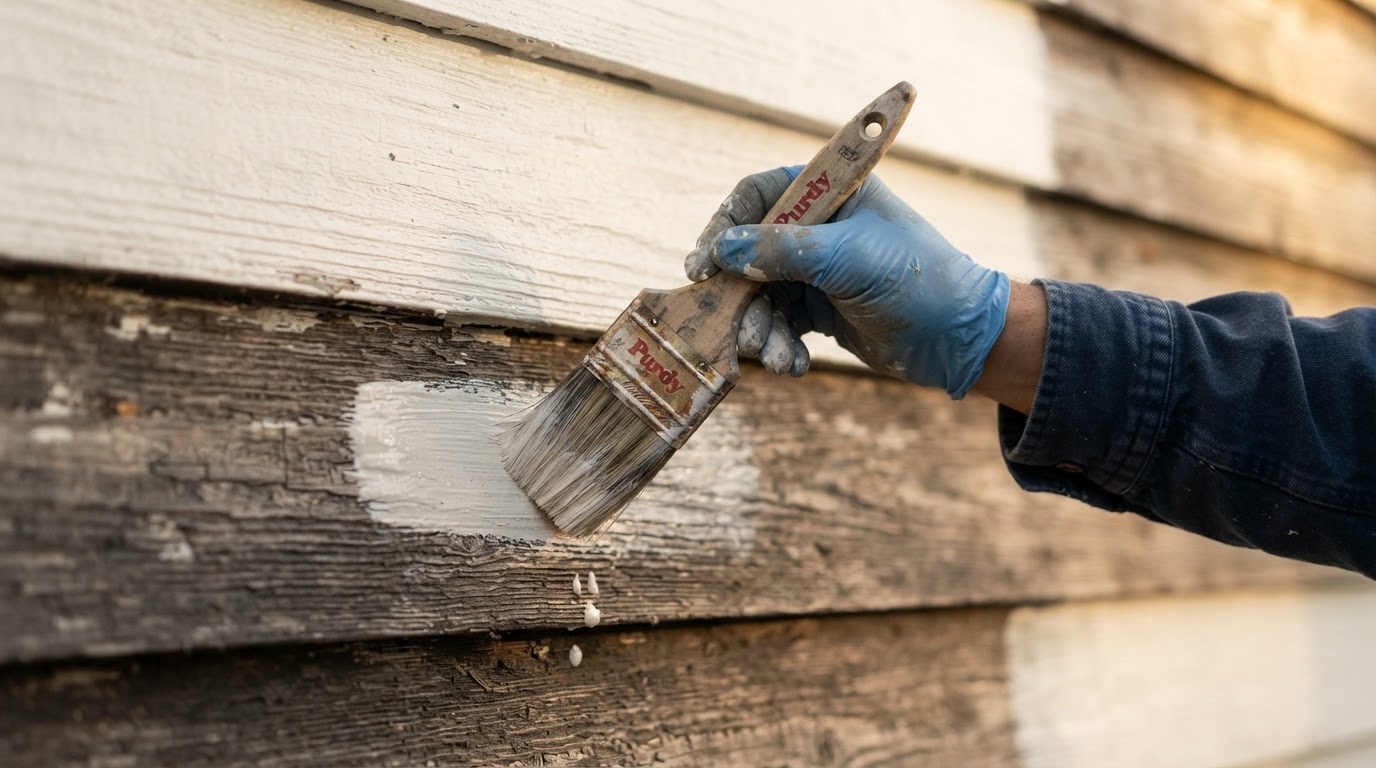
Preparation is where exterior house painting cost rises fastest. Failing paint that must be scraped and sanded, rotted trim that must be replaced, chalky siding that needs extra washing and priming, and failed caulk that must be removed and resealed all add labor and material. A home in good condition costs less to paint than one with widespread peeling and rot.
A detailed estimate that itemizes prep work lets you see why one quote differs from another. A bare price with no breakdown is hard to judge.
Products and Coats
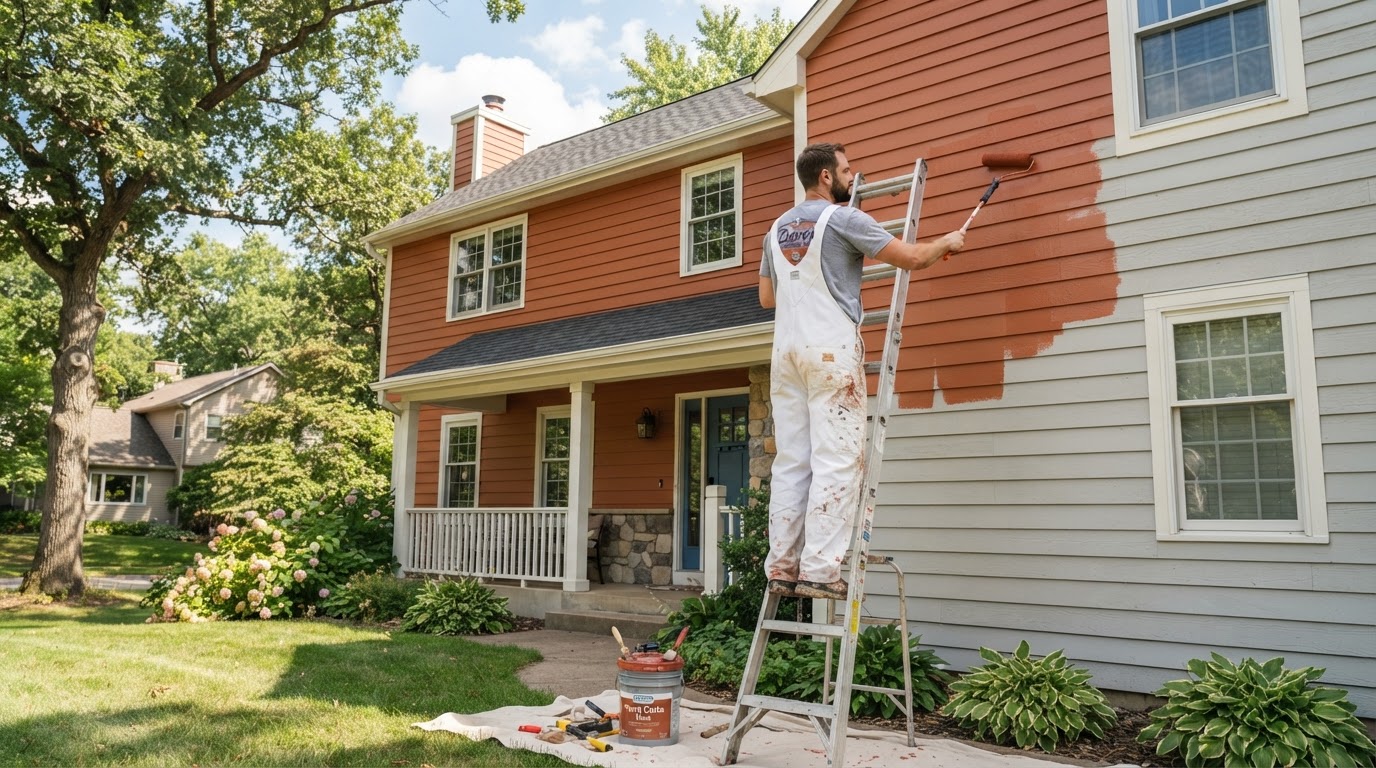
Premium acrylic latex paints cost more upfront but resist fading and remain flexible longer than economy lines, extending the life of the finish. Most exteriors require two finish coats for even color and durability. Ask which products are specified and how many coats are included in each estimate.
Use our directory to find painting companies that provide itemized exterior house painting cost estimates so you can compare scope, not just price, before you hire.